Editorial
Fine Art & Editorial Weddings
The difference between a wedding that is planned and one that is curated — and why it is unmistakable in memory, long after the day.
27 April 2026 · 6 min read
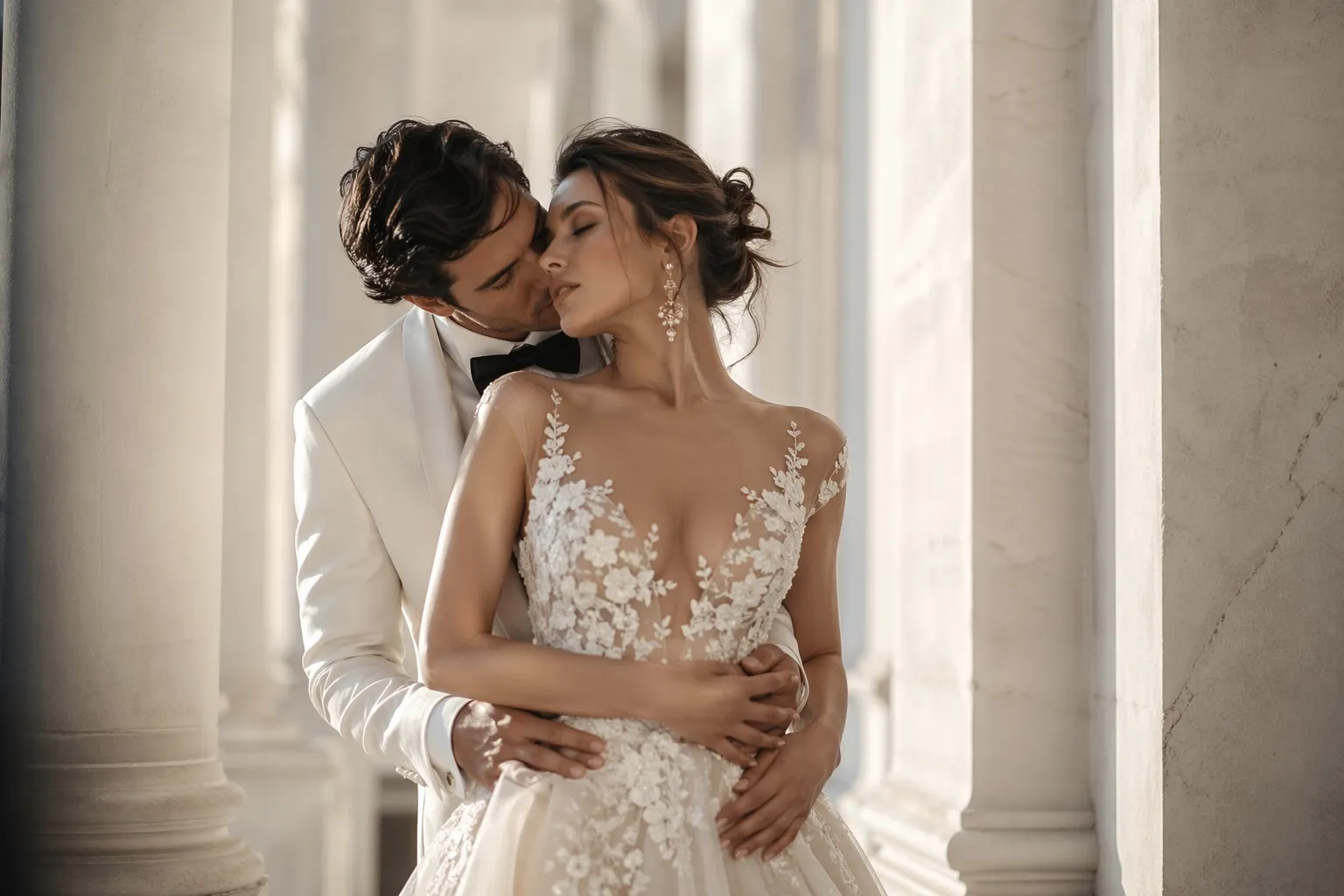
Photo by Bridal Edit Studio
Key Takeaways
- Planned weddings run on logistics; curated weddings run on vision
- Fine art editorials start with a feeling, not a checklist
- Styling, colour and texture form one visual language
- Photographers are guided by mood and narrative, not coverage
- True curation values restraint as much as choice
A wedding becomes meaningful not when everything is planned — but when everything has intention.
There are weddings that are organised — and weddings that are authored. That distinction defines everything.
At first glance both may appear equally considered: the same venue categories, similar vendors, comparable timelines. Yet only one results in something that feels intentional, composed and enduring.
A fine art editorial wedding is not defined by scale or budget, but by curation — by the presence of an editorial eye guiding every decision, from light to pacing, from styling to silence. These weddings are not assembled. They are directed.
Nothing is accidental. Nothing is chosen merely because it is available. Textures, tones, gestures and pauses all serve a narrative purpose. Even space — negative, quiet, unfilled — becomes part of the composition.
The distinction is subtle in planning and unmistakable in memory. It is the difference between documentation and story.
The Vision
Every wedding begins with logistics. A venue must be secured, vendors contacted, a schedule assembled. Those steps are essential, but they are not the vision.
A curated wedding begins elsewhere: with a feeling. Not a colour scheme and not a reference board, but an atmosphere — the light you want to remember, the pace you want the day to move at, the emotional temperature guests should feel the moment they arrive. That becomes the fixed point from which every other decision is reverse-engineered.
The venue is chosen not for capacity alone, but for how it holds light. Florals are selected for shape and movement, not abundance. Fashion is considered in dialogue with architecture and the time of day.
Planning asks what is needed. Curation asks what belongs. That distinction is what turns a well-run event into something quietly cinematic.
Planned and Curated: The Core Difference
A planned wedding and a curated wedding often share the same components. The difference lies not in what is present, but in how decisions are made.
The planned wedding
A planned wedding is guided primarily by logistics — timing, coordination, efficiency. Each vendor operates within their own scope, making sure their part is executed correctly. The result is an event that functions smoothly, professionally and often beautifully, yet remains neutral.
It works. But it does not always speak.
The curated wedding
A curated wedding operates under an overarching creative direction. Function remains essential, but every practical decision is filtered through one aesthetic and narrative lens.
Florals establish a colour world rather than filling space. Photography defines a visual language rather than coverage. Lighting shapes mood instead of simply illuminating rooms.
Curation is a process of subtraction as much as addition: selecting what serves the whole, excluding what dilutes it. Long before a single image is captured, the story is already being composed.
Why it matters
When a wedding is curated, photography moves beyond documentation into portraiture. The day unfolds with rhythm rather than rigidity. What remains is not simply a memory of events, but a coherent visual archive — images that invite printing, framing and returning to.
A planned wedding is remembered. A curated wedding is collected.
Styling and Mood
In fine art editorial weddings, styling is not decoration. It is direction. Colour, texture and proportion function as a single visual language, and every element takes part in the same conversation.
Colour and tone
Editorial aesthetics favour tonal harmony over contrast. Ivory, stone, bone, sage, pewter and antique blush photograph with depth and longevity. These palettes carry nuance, and they age well — particularly in print.
This does not exclude colour, but it demands discipline. A single accent tone, thoughtfully repeated, is far more powerful than a spectrum without hierarchy.
Texture as language
Texture communicates what colour alone cannot. Raw silk, hand-torn paper, linen with a visible weave, dried botanicals — these translate tactility into visual richness. The camera responds not only to how something looks, but to how it seems to feel.
Fashion references
Fashion is not an isolated decision; it is part of the composition. Editorial bridal fashion exists in dialogue with art and couture — designers such as Giambattista Valli, Rodarte, or Vera Wang’s quieter collections approach gowns as sculptural forms, designed in relation to movement, light and space.
In a curated wedding the dress is not a standalone choice. It is a central compositional element, considered with the same rigour as venue and florals.
The Moments That Carry the Day
A curated wedding unfolds with intention — not as a sequence of programmed events, but as a progression, with crescendos, pauses and release.
Getting ready
These early moments are the foundation of the day’s visual language. Light is often at its most forgiving, emotions are unguarded, and the scenes are intimate and unrepeatable. This is not documentary coverage but portraiture in its earliest form, establishing mood before the ceremony begins.
The ceremony
Here the ceremony becomes a composed tableau. Architectural framing, natural light and negative space are prioritised. Rather than constant movement, the photographer observes — waiting for emotion, composition and light to align.
The power is in restraint.
Reception and after dark
As daylight fades, the aesthetic deepens. Candlelight introduces warmth, shadows create mystery, the atmosphere softens and the couple moves with greater ease. It is often during this quieter final stretch, freed from urgency, that the most enduring images are made.
How to Approach It
An editorial aesthetic does not depend on excess. It requires clarity, and the confidence to protect it.
Start with a colour palette
Select three tones: one light, one deep, one contrasting. Apply them consistently across florals, stationery, linens and lighting. Consistency is the strongest editorial tool a couple has.
Decor and florals
Choose one floral form and explore its variation. A single stem studied closely carries more presence than many competing varieties. Work with creatives who understand restraint as a virtue.
Photography notes
Brief your photographer with references and feeling — not a shot list. Share visual language, film stills, editorial tear sheets, emotional tone. The strongest fine art editorial photography comes from collaboration, trust and shared vision, not instruction.
Final Thoughts
The difference between planning and curating is not measured in budget, guest count or location. It is measured in attention — in the willingness to consider every element, however small, as part of a larger visual and emotional narrative.
When vision, confidence and the right creative partners align, the result is more than a beautiful day. It becomes something preserved: not only remembered, but held.
Fine art and editorial weddings are not unattainable. They are intentional.
Start Your Wedding Journey
Whether you're beginning with the legal marriage, planning the day itself, or want the whole of it in one house — tell us where you are.
The legal beginning, the day itself, and the story kept in print.