Editorial
The 7 Decisions That Will Define Your Wedding
A framework for couples who want clarity rather than chaos — the seven choices that shape a wedding long before anything is booked.
25 April 2026 · 5 min read
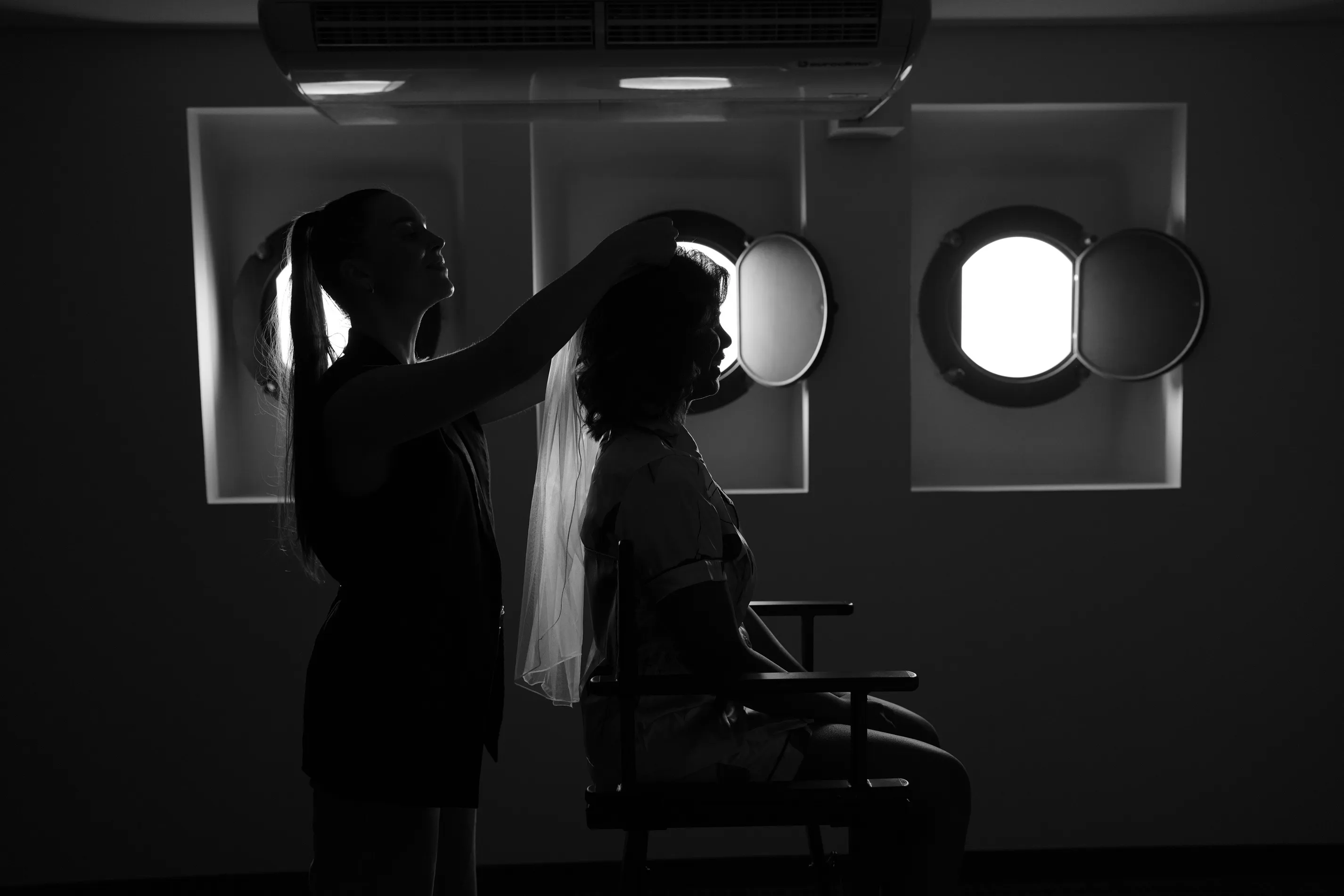
Photo by Bridal Edit Studio
Key Takeaways
- Emotion defines direction
- Fewer decisions create stronger results
- Clarity is more valuable than creativity
The most defining weddings are not shaped by endless choices — but by a few, made with clarity and intention.
Most weddings do not fail because of bad execution. They fail because the wrong decisions were made too early.
Before a venue is booked. Before a dress is chosen. Before a single detail is planned.
Here are the seven decisions that quietly define how your wedding will feel — long before the day itself.
Why Most Weddings Go Wrong Before They Begin
Couples start planning with excitement, and immediately begin making decisions: the venue, the date, the dress, the vendors.
But none of these answer the most important question: what is this wedding supposed to feel like?
Without that clarity, every decision becomes reactive. And that is how weddings turn into a collection of nice things instead of a coherent experience.
Decision 1: Define the Feeling, Not the Look
Before you open Pinterest. Before you save a single image. Ask whether this should feel calm or energetic. Intimate or expressive. Soft or bold.
Most couples define the visuals first. But visuals follow emotion, not the other way around. Get this wrong and everything else becomes decoration without direction.
Decision 2: Choose One Aesthetic Direction
Not three. Not a mix of everything you love. One — modern minimal, classic romantic, editorial fashion-inspired.
The moment you combine multiple directions, you lose clarity. Luxury is not created through variety. It is created through consistency.
Decision 3: Decide What Actually Matters
Every wedding has two or three things that truly define it. Everything else is secondary: photography and location, or atmosphere and music, or fashion and intimacy.
If everything matters, nothing stands out. Decide early what people will remember.
Decision 4: Build Your Day Around Energy, Not Time
Most timelines look like a schedule. Ceremony at two. Reception at five. Dinner at six. Structured, efficient, logical — and completely disconnected from how the day feels.
Think in energy instead: a slow start, an emotional peak, a calm transition, a celebration.
A well-designed wedding is not scheduled. It is paced.
Decision 5: Choose Creatives, Not Vendors
Most couples book on price, availability and convenience. But the people you choose will define your entire experience.
A photographer is not a vendor. A planner is not a vendor. They are creative partners — and the difference between someone who executes and someone who elevates is everything.
Decision 6: Cut Thirty Per Cent of What You Planned
This is where most weddings improve instantly. Remove the unnecessary programme points, the excessive decoration, the traditions being observed out of obligation.
What remains becomes stronger. Clarity is not created by adding. It is created by removing.
Decision 7: Design for Memory, Not for the Day
The wedding lasts hours. The memory lasts far longer. So ask what will still feel meaningful in five years.
Not trends. Not details. Not perfection. But moments, emotions and presence. That is what should guide your decisions.
Final Thoughts
A wedding does not become exceptional on the day itself. It becomes exceptional in the decisions made before it.
And the earlier you make the right ones, the less you will have to fix later.
Start Your Wedding Journey
Whether you're beginning with the legal marriage, planning the day itself, or want the whole of it in one house — tell us where you are.
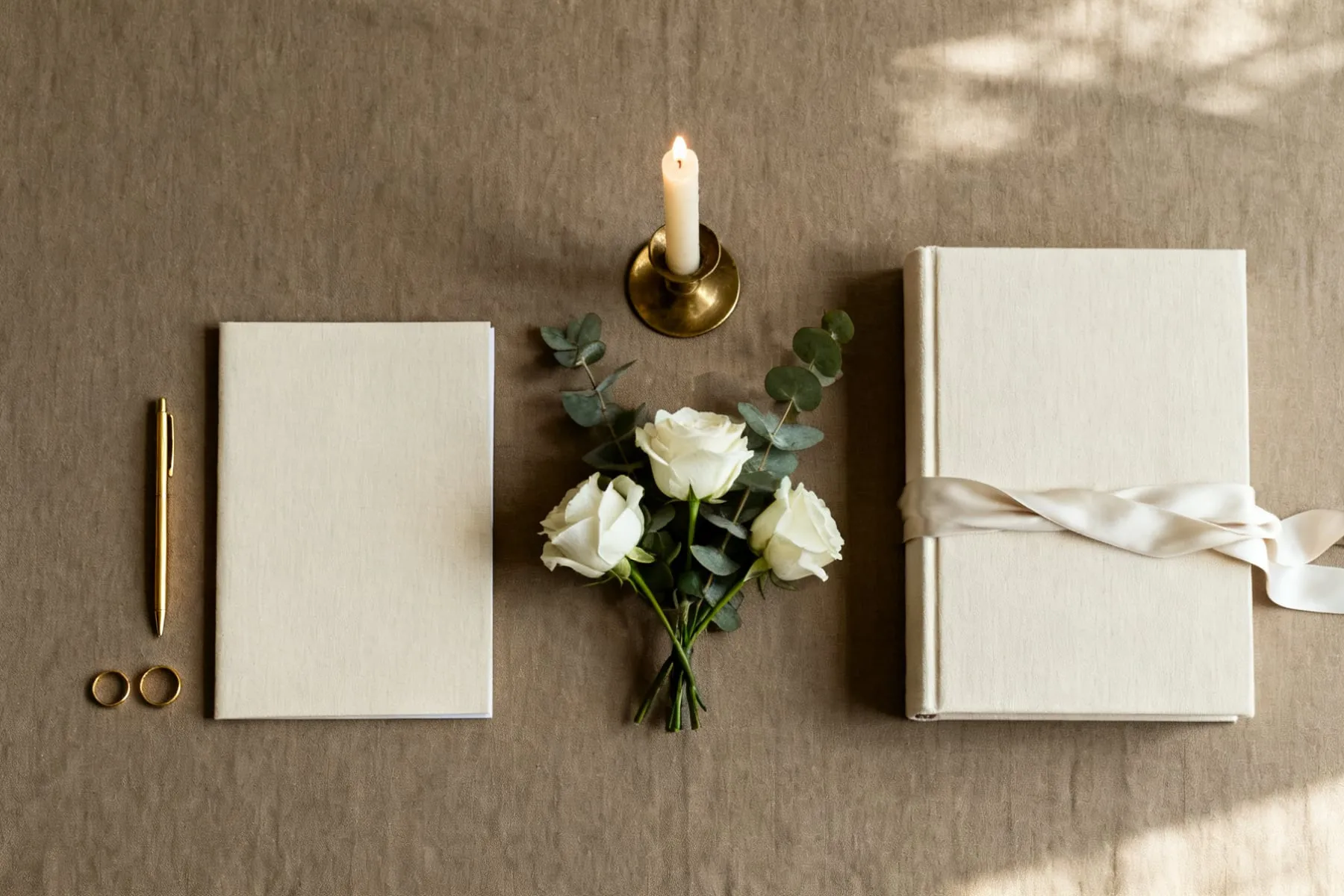
The legal beginning, the day itself, and the story kept in print.